In July, NAU21 brought together insurance industry experts in Madrid to discuss the challenges of fraud in Life Insurance and explore the role of technology in building a more efficient, preventative and future-ready industry.
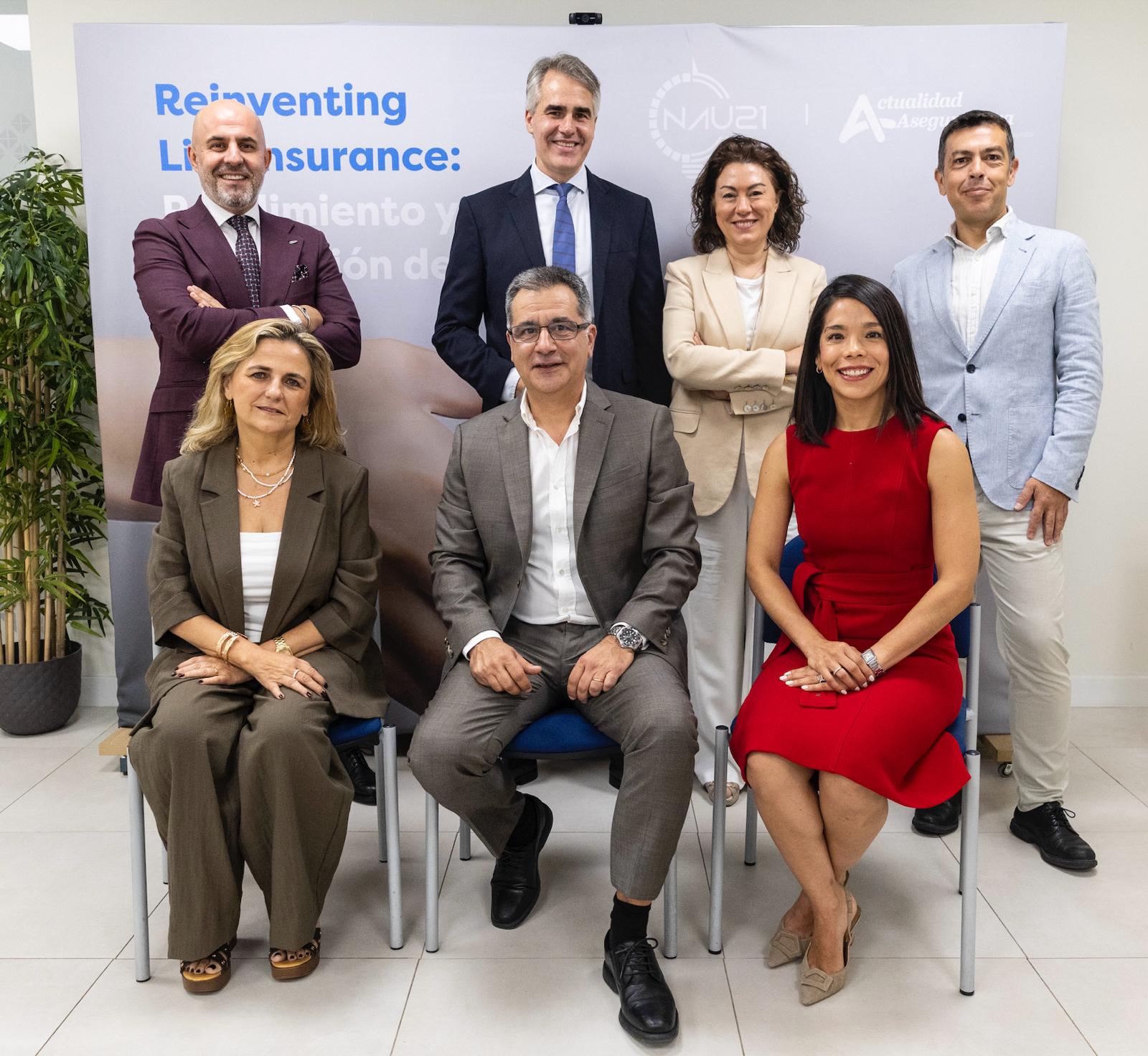
Organised in partnership with INESE, the roundtable brought together Kenya Guillén (Generali España), Pilar Castillo (Mutualidad), Israel García Redondo (Santalucía), Patricia Romero (Reale Vida), Vicente Manzanares (Ges Seguros) and Rui Monteiro, CEO of NAU21. Moderated by David Leonor, Editorial Director at INESE, the discussion provided an opportunity to share experiences and perspectives on a challenge that continues to evolve as the industry itself undergoes transformation.
From Underwriting to Policy Management
One of the key conclusions of the discussion was the need to view fraud as a phenomenon that can occur throughout the entire policy lifecycle. Although it is often identified when a claim is submitted, fraud can originate much earlier, particularly during underwriting, through incomplete declarations, omissions or manipulated documentation.
The quality of the information collected at the point of purchase therefore represents a first line of defence. However, the risk does not disappear once a policy has been issued. Changes to beneficiaries, bank details or documentation submitted over time can also reveal relevant inconsistencies.
This reality reinforces the importance of an approach that goes beyond detection, prioritising prevention and the early identification of risk situations. The earlier these are identified, the greater the ability to limit their impact and associated costs.
Technology in the Face of an Evolving Threat
The increasing sophistication of fraudulent practices was another key topic of discussion. Artificial Intelligence (AI) has made it easier to manipulate and create documents, making it increasingly difficult to distinguish legitimate information from information that has been deliberately altered.
Against this backdrop, traditional verification methods may prove insufficient. Document analysis, the cross-referencing of historical data and the identification of patterns are therefore becoming increasingly important to insurers’ ability to anticipate and detect irregularities.
Technology should not, however, be seen as a replacement for human expertise. Automating repetitive tasks allows specialists to focus on complex cases, where knowledge, judgement and accountability remain essential. AI should act as a supporting tool, providing relevant information and contributing to more informed decisions, without compromising the human dimension of the customer relationship.
Prevention, Efficiency and Customer Experience
The discussion also broadened the perspective on the return on investment in technology. Beyond identifying or preventing fraudulent claims, automation can generate benefits across the wider operation, particularly by reducing processing times, lowering administrative workloads and enabling more effective use of specialist resources.
Integrating these capabilities into existing processes allows insurers to focus their efforts on cases that genuinely require in-depth analysis, without compromising operational agility.
This efficiency also has a direct impact on the customer experience. Faster and more consistent claims management can reduce friction in legitimate processes, ensuring that the fight against fraud does not result in unnecessary delays or additional requirements for customers who are acting in good faith. The challenge is therefore to combine stronger controls with a simple and transparent insurance experience.
Collaboration as a Challenge for the Future
In a context where fraudulent practices are becoming increasingly sophisticated and may involve multiple entities, collaboration between insurers is particularly important. Sharing experiences and knowledge can help identify common patterns, anticipate emerging threats and develop more effective responses.
Despite the challenges posed by data protection and regulatory requirements, there are opportunities to explore solutions that enable knowledge to be shared and patterns to be identified without compromising privacy. Technological developments may, in this area, facilitate a more integrated approach to fraud prevention, strengthening the response capabilities of the industry as a whole.
Anticipating risks, rather than acting only on their consequences, requires not only investment in technology, but also greater collaboration between the different stakeholders across the insurance ecosystem.
Reinventing Insurance by Anticipating the Future
The roundtable concluded with a presentation of SIS – Smart Insurance System, NAU21’s solution integrating different technological modules designed to address the challenges arising across the various stages of the claims lifecycle. Through automation and intelligent process management, SIS supports insurers in optimising operations and strengthening their ability to prevent and detect fraud.
The scale of this challenge is clear. According to Insurance Europe, fraud may account for up to 10% of claims costs and is associated with approximately €13 billion in annual costs. In addition, fraud can contribute to a 20% to 30% increase in response times, highlighting its economic and operational impact and the importance of investing in solutions capable of anticipating fraudulent activity.
We believe that the future of fraud prevention lies in the ability to transform data into knowledge, automate tasks and empower professionals, without losing sight of what truly matters: trust and the quality of the customer experience.
From detection to prevention, from data to connected intelligence, the transformation of the insurance industry depends on the ability to bring technology and people together. This is the journey NAU21 remains committed to, as we continue to reinvent insurance.











.png)